Understanding the Root Causes of Tooth Pain
Tooth pain is one of the most uncomfortable and distracting types of discomfort a person can experience. Whether it begins suddenly or develops gradually, identifying the underlying cause is the first step toward effective care. Common sources of tooth pain include cavities, gum infections, cracked teeth, tooth sensitivity, and sinus-related pressure. Each of these issues can trigger sharp, throbbing, or dull pain, depending on the location and severity. Many people also experience pain when eating sweets, drinking cold beverages, or chewing on one side of the mouth. These symptoms are important to observe, as they provide clues about what type of treatment might be needed. Early detection can prevent minor issues from becoming major dental problems, and professional guidance plays a key role in long-term oral health.
When Tooth Pain Signals a Bigger Issue
While occasional discomfort may resolve on its own, persistent or severe pain often indicates a more serious condition such as an abscess, gum disease, or nerve damage. Left untreated, these problems can escalate quickly, leading to swelling, fever, and even tooth loss. At this point, home remedies may only offer temporary support, but a dental evaluation becomes essential. Recognizing these warning signs early helps you take appropriate action before complications arise.
Effective Home Remedies You Can Try Safely
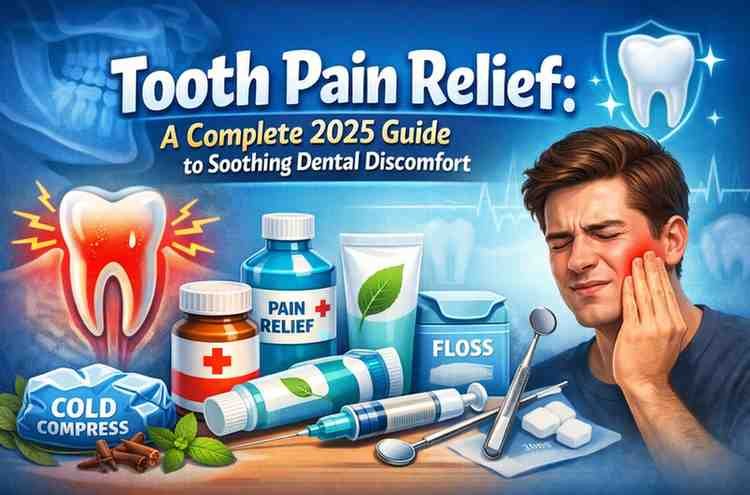
Home-based solutions can provide temporary comfort when a dental appointment isn’t immediately possible. One of the simplest remedies is rinsing with warm salt water, which helps reduce inflammation and clean the affected area. Clove oil, known for its numbing properties, is another widely trusted option. Applying it gently with a cotton swab may help soothe sharp sensations. A cold compress can also help by reducing swelling and numbing the area externally. Over-the-counter pain relievers like ibuprofen or acetaminophen are commonly used short-term solutions. In these situations, many people search online for tooth pain relief options they can rely on before seeing a dentist. These natural and accessible techniques can help minimize discomfort temporarily while you prepare for professional care.
Additional Soothing Techniques
Some individuals find relief through herbal teas, such as peppermint or chamomile, which possess calming and anti-inflammatory effects. Maintaining good hydration and avoiding extremely hot or cold foods may also help protect sensitive teeth during painful moments.
When to Seek Professional Dental Care

Although home remedies can help in the short term, professional treatment becomes necessary when symptoms persist or worsen. Dentists use diagnostic tools such as X-rays, clinical exams, and thermal testing to determine the exact cause of discomfort. Depending on the diagnosis, treatment may involve fillings, root canal therapy, gum treatment, or simple desensitizing procedures. It’s important not to delay an appointment when the pain becomes severe, as early treatment prevents complications and keeps your teeth healthy long-term. Many patients first attempt quick tooth pain relief at home, but a specialist is ultimately the best resource for permanent solutions. Ignoring symptoms can lead to infections spreading beyond the tooth, requiring more advanced procedures later.
Preventive Strategies for Long-Term Oral Health
Preventing future discomfort starts with good oral hygiene habits. Brushing twice a day, flossing daily, and using fluoride toothpaste can significantly reduce the risk of both cavities and gum disease. Scheduling regular dental checkups every six months helps detect issues early, long before they cause noticeable pain. Diet also plays an important role; reducing sugary snacks and acidic drinks protects enamel and prevents decay. Another helpful practice is wearing a mouthguard at night if you grind your teeth, as grinding can lead to sensitivity and fractures. Many people seek tooth pain relief after the damage has already been done, but preventive care reduces the chances of reaching that stage in the first place.
Lifestyle Habits That Support Strong Teeth
Incorporating calcium-rich foods, staying hydrated, and avoiding tobacco products are all beneficial habits for maintaining strong and healthy teeth. These lifestyle choices support gum health and reduce long-term risks.
Over-the-Counter Solutions and Medications

For individuals experiencing mild to moderate discomfort, over-the-counter medications can offer temporary help. Products like numbing gels, medicated mouthwashes, and anti-inflammatory pain relievers provide convenient options while waiting for a dental consultation. However, these solutions should be used carefully and not as a substitute for professional care. Many pharmacies offer a wide variety of products aimed at tooth pain relief, but users should read instructions carefully and avoid prolonged use without guidance. While these items may help soothe symptoms, they seldom address the root cause.
FAQ Section
What is the fastest way to stop tooth pain temporarily?
Rinsing with warm salt water or applying a cold compress can provide quick, short-term comfort.
Can tooth pain go away on its own?
Sometimes mild sensitivity improves naturally, but continuous or severe pain usually requires dental treatment.
Is clove oil actually effective?
Yes, clove oil contains eugenol, a natural anesthetic that can soothe sharp sensations.
When should I worry about tooth pain?
If the pain lasts longer than 24–48 hours, becomes unbearable, or is accompanied by swelling or fever, you should visit a dentist immediately.
Conclusion
Tooth pain can be frustrating and disruptive, but understanding its causes and knowing how to respond can make the experience more manageable. Home remedies and over-the-counter products provide temporary comfort, while preventive habits support long-term oral health. When symptoms persist, seeking dental care promptly ensures proper treatment and protects your smile for years to come. Whether you’re dealing with occasional discomfort or searching for long-lasting tooth pain relief, informed action is the best path toward restoring comfort and confidence.