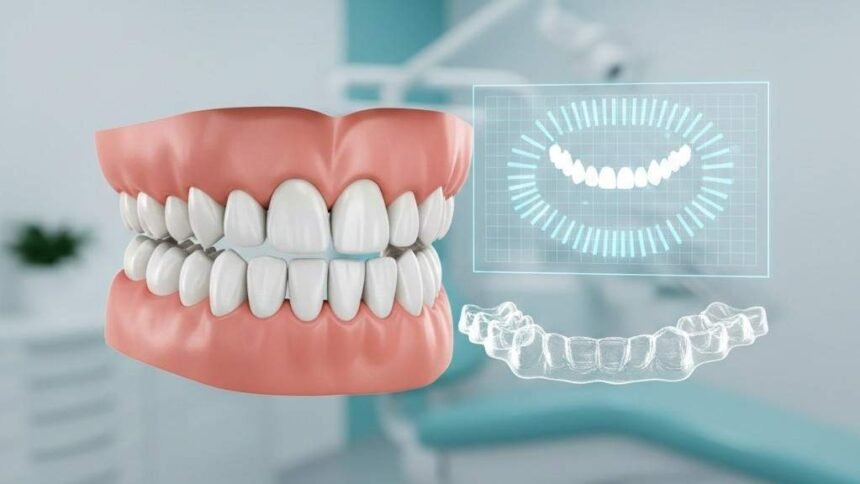
What Are Overjet Teeth and Why Do They Matter?
Overjet teeth are among the most common dental alignment concerns globally, yet many people misunderstand what they actually are. While they are often confused with overbites, overjets have their own distinct structure, symptoms, and long-term effects. Understanding the causes, treatment options, and prevention methods can help you maintain better oral health and confidence in your smile. This guide simplifies everything you need to know in a human, easy-to-digest way, covering both clinical insights and real-life perspectives.
Understanding the Basics of Overjet Teeth
Overjet teeth occur when the upper front teeth extend outward horizontally beyond the lower front teeth. This horizontal projection can be mild, moderate, or severe, depending on the person. Unlike overbites—which refer to vertical overlap—overjets affect how far the teeth sit forward. Most people don’t realize the difference until a dentist points it out.
What Makes an Overjet Different from an Overbite?
An overbite is vertical; an overjet is horizontal. Many individuals have a combination of both without realizing it. The distinct outward tilt in overjet teeth often affects speech, bite function, and facial appearance, making early diagnosis beneficial.
Common Symptoms People Experience
Some people notice difficulty biting into food, while others are more concerned about appearance. Symptoms commonly include discomfort, lip incompetence, and sometimes breathing difficulties during sleep.
Causes Behind the Development of Overjet Teeth
Understanding why overjet teeth develop helps people make more informed decisions about treatment. Genetics play a strong role, but lifestyle factors also influence how the teeth and jaw grow over time.
Genetic Factors
Parents with prominent upper jaw structures or protruding front teeth often pass similar traits to their children. Even the shape of the jawbone can be inherited.
Habits and Early Childhood Influences
Thumb-sucking, prolonged bottle feeding, tongue thrusting, and mouth breathing are major contributors. These repetitive habits can gradually push the upper teeth outward, increasing the likelihood of an overjet.
Jaw Growth and Structural Differences
When the upper jaw grows faster than the lower jaw—or vice versa—it creates imbalance. This imbalance results in spacing issues that may eventually reflect as overjet teeth.
How Overjet Teeth Affect Oral Health and Daily Life
Many people assume overjets are purely cosmetic, but the impact extends far beyond appearance. Untreated alignment issues can affect oral function, confidence, and long-term dental wellness.
Physical and Functional Effects
People with overjets often struggle with biting into foods like apples or sandwiches. The front teeth take more pressure than they should, which increases the risk of wearing down enamel. In some cases, the lower teeth may cause gum irritation by hitting the roof of the mouth.
Social and Emotional Impact
Smile insecurity is more common than people admit. Individuals with noticeable overjet teeth may smile less, hesitate during photos, or feel overly conscious during conversations. These small habits can slowly affect mental well-being and social interactions.
Modern Treatment Options for Overjet Teeth
The good news is that dental medicine in 2026 offers more options than ever for correcting overjet teeth. From traditional methods to cutting-edge digital orthodontics, patients now enjoy more comfortable, efficient, and personalized treatments.
Braces and Clear Aligners
Traditional braces remain effective for moderate to severe overjets, especially when jaw adjustments are needed. Clear aligners, however, are increasingly popular among adults and teens due to their comfort and discretion. They gradually reposition teeth without disrupting daily routines.
Orthodontic Appliances for Growing Children
For kids and early teens, expanders and functional appliances help guide the jaw into correct alignment. When addressed early, many severe overjets can be significantly reduced before adulthood.
Advanced Digital Dentistry
Today’s orthodontists use 3D scans, AI-based treatment planning, and predictive modeling to improve accuracy. These innovations allow specialists to tailor treatments specifically to the patient’s anatomy, ensuring faster and more predictable outcomes.
Preventing Overjet Teeth: Tips for Parents and Individuals
While not all overjets can be prevented due to genetic factors, some habits can dramatically reduce the risk—especially in children.
Early Intervention
Regular dental checkups from age 6 onward can help detect alignment issues early. Dentists can guide parents on habits to avoid and recommend interceptive orthodontics if needed.
Breaking Childhood Habits
Eliminating thumb-sucking or pacifier use before age 3 is helpful. Teaching children proper swallowing and breathing habits also supports healthy jaw development.
FAQs About Overjet Teeth
Q1: Are overjet and overbite the same?
No. Overjet refers to horizontal overlap, while overbite refers to vertical overlap.
Q2: Can overjet teeth cause speech problems?
Yes, severe cases may affect pronunciation of certain sounds.
Q3: Is treatment painful?
Modern orthodontic treatments cause minimal discomfort, especially with clear aligners.
Q4: How long does it take to fix overjet teeth?
Treatment time varies but typically ranges from 12 to 24 months.
Q5: Can adults fix overjet teeth?
Absolutely. Many adults successfully treat overjets with braces or aligners.
Conclusion
Correcting overjet teeth is more than a cosmetic improvement—it enhances oral function, long-term health, and personal confidence. With today’s advanced orthodontic options, every individual can achieve a balanced, comfortable bite and a smile they’re genuinely proud of. Understanding the causes, effects, and treatments helps you make informed decisions for yourself or your child. Whether you choose braces, aligners, or preventive strategies, taking action today leads to a healthier tomorrow.