Understanding Overjet in Modern Dentistry
Overjet is becoming an increasingly important topic in orthodontics and general dental care. As advanced technologies, digital imaging, and AI-supported diagnosis continue to evolve, patients and professionals alike are more aware of how misaligned teeth impact aesthetics, function, and long-term oral health. This guide breaks down everything you need to know about overjet dental issues, from causes and symptoms to treatment options that offer real, lasting results.
The Key Causes Behind Overjet Development
Overjet doesn’t occur overnight. It develops gradually due to a combination of genetic, lifestyle, and developmental factors. Genetics play a crucial role—if someone in your family has prominent front teeth or jaw misalignment, you may inherit similar traits. Childhood habits also contribute significantly. Prolonged thumb sucking, pacifier use beyond infancy, and tongue thrusting can all push the upper teeth forward. Even improper swallowing patterns or mouth breathing can influence jaw growth. Understanding these causes helps patients and parents recognize problems early and seek appropriate care.
Genetic Factors
Some individuals naturally have a larger upper jaw or a smaller lower jaw, causing teeth to appear more forward. These skeletal differences often require specialized orthodontic attention.
Childhood Habits
Long-term thumb sucking or pacifier use shifts tooth alignment over time. Addressing these habits early can help reduce the severity of future overjet issues.
How Overjet Affects Function, Aesthetics, and Oral Health
Many people assume that overjet is only an aesthetic concern, but its effects go much deeper. When upper front teeth protrude significantly, they may create speech difficulties or affect a person’s confidence, especially during adolescence. Functionally, it can interfere with biting and chewing, making eating uncomfortable. Over time, overjet can also increase the risk of chipped teeth, gum damage, and temporomandibular joint (TMJ) discomfort.
Impact on Daily Life
Whether it’s difficulty biting into foods, challenges with clear speech, or feeling self-conscious about smiling, the daily impact can be significant. Small adjustments in tooth alignment can dramatically improve comfort and confidence.
Modern Diagnostic Methods for Evaluating Overjet
Today’s dental landscape is more advanced than ever, allowing clinicians to identify, measure, and treat overjet dental issues with extreme precision. Traditional exams still play a role, but now digital tools and 3D imaging provide clearer insights into the relationship between teeth and jaw structure.
Digital Scans and Imaging
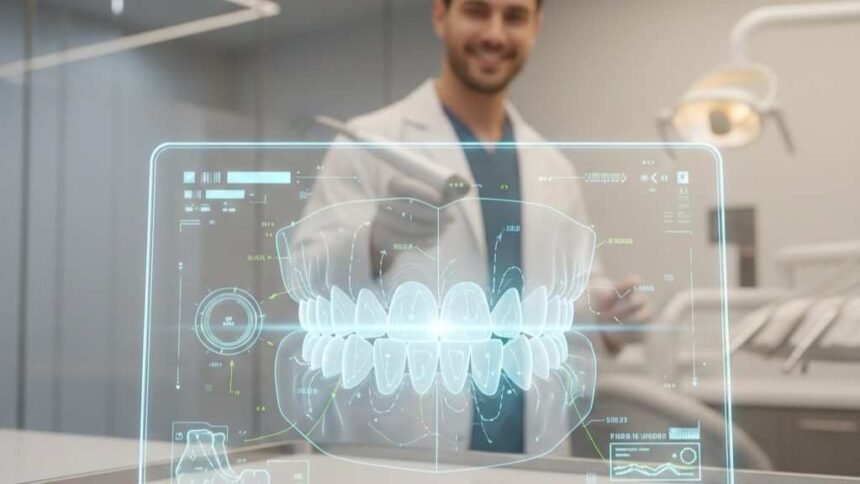
Cone-beam CT scans, digital impressions, and AI-assisted diagnostic software give dentists accurate measurements and detailed visualizations. These tools help create personalized treatment plans based on the exact positioning of each tooth.
The Role of Early Assessment
Early dental evaluations—ideally by age 7—can help identify developing overjet issues. Intervening early may reduce the need for complex treatment later in life.
Best Treatment Options for Correcting Overjet
Treating overjet varies depending on how severe the misalignment is and whether the underlying cause is skeletal or dental. In many cases, modern orthodontics offers effective, minimally invasive solutions.
Braces and Clear Aligners
Both traditional braces and clear aligner systems can correct mild to moderate overjet by gradually shifting teeth into proper alignment. Since aligners are removable and discreet, they are popular for adults and teens seeking convenience.
Functional Appliances
In growing children, functional appliances help guide jaw development, especially when overjet is due to skeletal imbalance. These tools encourage the lower jaw to grow forward and align properly with the upper jaw.
Restorative and Surgical Solutions
Severe cases may require combined orthodontic and surgical approaches. For adults whose jaw has fully developed, orthognathic surgery may be recommended to properly align the jaws.
With advancements in orthodontic tools, including AI-supported analysis and treatment planning from systems like overjet dental software platforms, results are more predictable and efficient than ever before.
Prevention Tips and Long-Term Maintenance for Healthy Alignment
While not all cases are preventable, early habits and lifestyle choices play a major role. Encouraging children to stop thumb sucking early, maintaining regular dental checkups, and ensuring proper breathing habits can help lower the risk of developing an overjet. Once treatment is complete, retainers are essential. Without them, teeth naturally shift back toward their original positions over time. Maintaining good oral hygiene and following your dentist’s advice helps ensure long-term stability.
Post-Treatment Retention
Wearing retainers as recommended is one of the most important steps in preserving overjet correction. Whether fixed or removable, retainers prevent relapse and keep your smile properly aligned.
FAQ About Overjet
What is the difference between overjet and overbite?
Overjet refers to how far the upper teeth protrude forward, while overbite refers to how much the upper teeth vertically overlap the lower teeth.
Can overjet be fixed with aligners?
Yes, mild to moderate cases can be effectively treated with clear aligners, depending on jaw structure and severity.
Is overjet painful?
Not always, but severe overjet can cause discomfort, difficulty chewing, or jaw strain over time.
Can overjet return after treatment?
Yes, if retainers are not worn as prescribed, teeth may shift back.
Conclusion
Understanding and addressing overjet dental issues is essential for maintaining long-term oral health, confidence, and proper function. Whether the cause is genetic, developmental, or habit-related, modern dentistry offers reliable and advanced treatment options that can transform both appearance and comfort. With regular checkups, early intervention, and proper post-treatment care, anyone experiencing overjet can achieve balanced, healthy alignment and a smile that feels natural and confident.