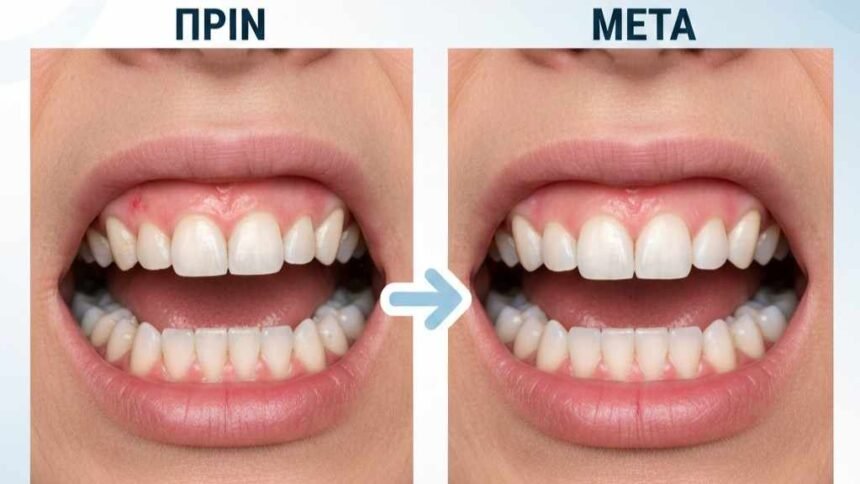
Understanding the Journey of Gum Disease and Recovery
The term περιοδοντιτιδα πριν και μετα describes the dramatic difference patients often experience when comparing the condition of their gums before and after professional treatment. Periodontitis is a chronic inflammatory disease that affects the gums and the bone supporting the teeth. Without intervention, it can lead to gum recession, tooth mobility, and eventually tooth loss. This article explores how the disease progresses, what treatments can change its course, and what improvements patients typically notice after receiving care.
What Periodontitis Really Looks Like in Daily Life
When people hear about gum disease, they often imagine something mild—slight redness or occasional bleeding. But in reality, periodontitis can escalate fast if untreated. When examining περιοδοντιτιδα πριν και μετα outcomes, the contrast between early symptoms and post-treatment recovery becomes remarkably clear. The illness can be influenced by poor oral hygiene, smoking, stress, genetics, diabetes, or hormonal changes.
Early Warning Signs You Should Not Ignore
- Persistent gum bleeding during brushing
- Swollen, tender, or red gums
- Chronic bad breath
- Mild pain when chewing
- Gum recession or teeth appearing “longer”
Modern Treatments That Transform Gum Health
Professional dental care plays a deep role in improving outcomes, and the difference between περιοδοντιτιδα πριν και μετα is often significant. Today’s periodontal treatments are more advanced, less invasive, and yield faster healing compared to older methods. Dentists choose the appropriate approach based on the severity of gum and bone damage.
Non-Surgical Interventions
For mild to moderate periodontitis, scaling and root planing (deep cleaning) is highly effective. This treatment removes bacteria, plaque, and calculus deep below the gumline, allowing tissue to heal and inflammation to subside.
Surgical Procedures for Advanced Cases
When bone loss or deep periodontal pockets are present, additional procedures may be necessary:
- Bone grafting to rebuild lost bone
- Gum grafts to restore receded tissue
- Flap surgery to clean deep bacterial deposits
- Regenerative therapies that encourage natural tissue growth
These options help stabilize the teeth and restore oral function.
Visible and Functional Changes After Treatment
The most striking aspect of περιοδοντιτιδα πριν και μετα is the transformation that becomes evident weeks after treatment. As inflammation subsides, gums become firmer, healthier, and more uniform in color. Many patients also report improved confidence because their smile looks cleaner and more balanced.
Physical Improvements Patients Commonly Notice
- Reduction of bleeding and swelling
- Decrease in pocket depth around teeth
- Fresher breath due to bacterial reduction
- More stable teeth with less mobility
- Restoration of healthier gum contours
Functional Benefits
Chewing becomes easier, discomfort diminishes, and overall oral comfort increases. These improvements contribute not only to dental health but also to emotional wellbeing.
Long-Term Prevention for Stable Periodontal Health
Even after successful treatment, maintaining gum health is essential. The comparison of περιοδοντιτιδα πριν και μετα highlights the importance of preventing relapse. Periodontitis can return if oral hygiene habits decline or professional cleanings are skipped.
Everyday Practices for Healthy Gums
- Brush twice daily using proper technique
- Clean between teeth with floss or interdental brushes
- Use an antimicrobial mouthwash
- Avoid smoking and limit sugary foods
- Visit the dentist every 3–6 months for maintenance
Consistency is the key to preventing reinfection and supporting long-lasting gum stability.
FAQ: Common Questions About Periodontitis
What exactly is periodontitis?
It is a chronic bacterial infection that destroys the gums and bone supporting the teeth.
Is the treatment painful?
Most procedures cause little to no pain. Local anesthesia and modern equipment make treatments comfortable.
How long until I see results?
Most patients notice improvement within 2–6 weeks, depending on the severity of the condition.
Can periodontitis cause tooth loss?
Yes, if untreated, it can lead to progressive bone loss and eventually tooth loss.
Is the condition reversible?
Early gum inflammation (gingivitis) is reversible. Advanced periodontitis cannot fully reverse, but treatment can stop progression and significantly improve gum health.
Conclusion:
Early Action Leads to Healthier Gums and a Better Smile
The comparison of περιοδοντιτιδα πριν και μετα clearly shows how transformative timely care can be. Periodontitis may be a chronic condition, but with proper dental treatment, guided maintenance, and disciplined oral hygiene habits, patients can regain gum stability, confidence, and long-term oral health. Treating gum disease early not only protects the smile but also contributes to better overall wellbeing. With today’s advanced therapies, anyone can take control of their periodontal health and enjoy the benefits of a healthier, brighter future.