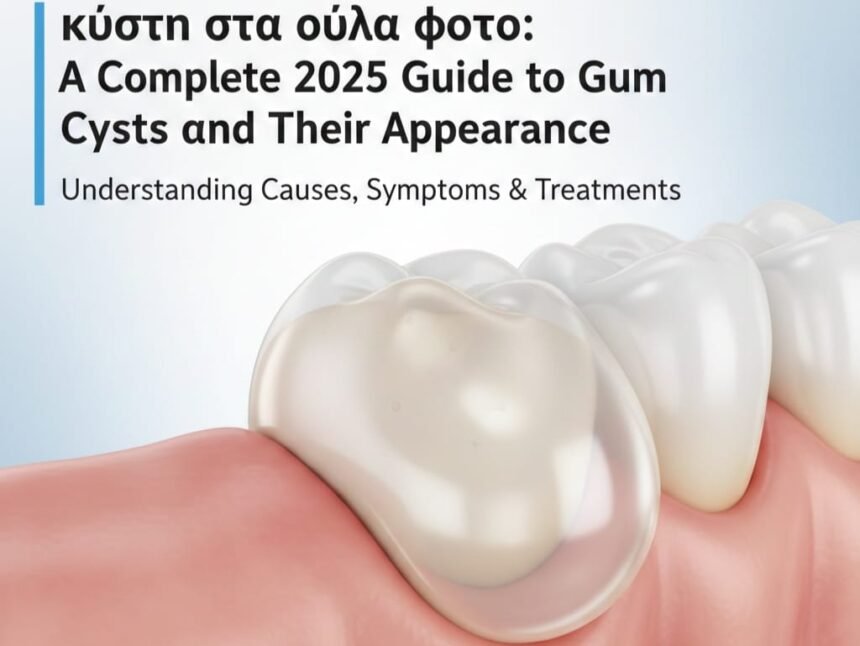
κυστη στα ουλα φωτο is one of the most commonly searched phrases by people trying to understand unusual swelling or bumps on their gums. Gum cysts can appear suddenly, cause discomfort, and often lead to confusion about whether they are serious. This comprehensive guide explains what a gum cyst looks like, why it forms, the symptoms you should pay attention to, and how it can be treated effectively. Throughout the article, natural supporting terms such as oral infection, dental abscess, swollen gums, gum inflammation, and dental hygiene help improve SEO without sounding robotic.
What Is a Gum Cyst and Why Does It Appear?
A gum cyst is a small sac filled with fluid or pus that forms due to infection, trapped debris, or irritation. Most people who search for κυστη στα ουλα φωτο are trying to compare their symptoms to pictures found online so they can understand what they might be dealing with. In many cases, a cyst is the body’s response to bacteria, inflammation, or pressure in the gum tissues.
How does it form?
A gum cyst typically forms when bacteria enter the gum tissue, often due to poor oral hygiene, tooth decay, or trauma. When the body tries to fight this infection, fluid or pus becomes trapped, creating a swollen bump.
Who is more likely to develop a cyst?
Individuals with untreated cavities, gum disease, weakened immune systems, or impacted teeth are more prone to developing gum cysts.
Common Symptoms and When You Should Be Concerned
Symptoms vary depending on the severity of the cyst. Many people search for κυστη στα ουλα φωτο to compare their gum swelling with typical images. While some cysts are painless, others can be uncomfortable and indicate an underlying infection.
Frequently seen symptoms
- Visible swelling or a raised bump on the gum
- Pain or soreness when pressing the area
- Redness or irritated gum tissue
- Discharge of pus or unpleasant taste
- Pressure felt above or around a tooth
When should you see a dentist immediately?
If the swelling is accompanied by fever, severe pain, difficulty chewing, or rapid spreading of inflammation, urgent dental care is necessary. Even mild cysts should be examined by a professional to prevent escalation.
Main Causes of Gum Cysts
A gum cyst never appears without a cause. Many people who search κυστη στα ουλα φωτο eventually realize their cyst is connected to deeper dental issues.
Most common causes
- Dental abscess – A deep bacterial infection at a tooth root can lead to pus-filled swelling on the gums.
- Untreated cavities – Advanced decay can cause infection to reach the deeper tissues.
- Food particles or plaque buildup – Trapped debris can irritate the gums and trigger inflammation.
- Trauma to the tooth or gum – A cracked tooth or injury can allow bacteria to enter.
- Advanced gum disease – Periodontitis creates pockets in the gums where bacteria can accumulate.
Treatment Options and How Gum Cysts Are Handled
Treating a gum cyst depends on its size, cause, and severity. Although searching for κυστη στα ουλα φωτο can help you identify what kind of swelling you may have, only a dentist can determine the true cause and appropriate treatment.
Non-invasive treatment options
- Prescription antibiotics for infection
- Thorough dental cleaning around the affected area
- Antiseptic mouth rinses
- Warm compresses to help reduce pain and swelling
More advanced procedures
- Root canal therapy for infections related to the tooth’s root
- Surgical removal of the cyst
- Incision and drainage to release trapped fluid or pus
- Tooth extraction if the tooth is severely damaged
Prevention and Daily Oral Care Tips
Preventing gum cysts is often easier than treating them. Regular dental care greatly reduces the risk of swelling or infection. While many people look up κυστη στα ουλα φωτο for visual guidance, long-term oral health depends on consistent habits.
Everyday steps to maintain healthy gums
- Brush twice a day with proper technique
- Use dental floss to remove hidden debris
- Visit your dentist every six months for cleaning and exams
- Avoid overly hard foods that can injure the gums
- Use an antiseptic mouthwash to control harmful bacteria
Practicing good oral hygiene not only helps prevent cysts but also protects overall gum and tooth health.
FAQ – Quick Answers to Common Questions
What is a gum cyst?
It is a small sac of fluid or pus caused by infection, irritation, or trapped debris in the gum tissue.
Are gum cysts dangerous?
They can become dangerous if not treated, especially if they are caused by severe infection or an abscess.
How can I tell if I have one?
It usually appears as a swollen bump, sometimes red or white, with pressure or pain in the area.
Do gum cysts go away on their own?
Some minor cysts may reduce in size, but most require treatment, especially if there is infection.
How soon should I see a dentist?
As soon as possible. Early treatment prevents complications and stops the infection from spreading.
Conclusion
Gum cysts can be uncomfortable and concerning, but they are treatable with proper dental care. Searching for κυστη στα ουλα φωτο can help you get a visual idea of what you might be experiencing, but photographs cannot replace a professional diagnosis. With early treatment, good oral hygiene, and regular dental visits, most gum cysts can be resolved quickly and without complications. Maintaining awareness and taking immediate action whenever you notice unusual swelling is the key to protecting your oral health.
.